




















Main content
Indonesia is the world’s largest archipelago, comprising more than 17,000 islands stretching over 5,000 km. With over 278 million inhabitants, it is also the fourth most populous country globally. There are stark socio-economic differences and health inequalities across the nation. Eastern Indonesia remains the least developed region, with limited access to healthcare services and a high burden of NTD. [1]
Skin NTD
An estimated one billion people are infected with one or more NTD, with another one billion at risk, disproportionately affecting impoverished communities in (sub)tropical regions. [2] More than half of the 20 NTD recognised by the World Health Organization involve the skin. Skin NTD are common in Indonesia and include leprosy, lymphatic filariasis, scabies, headlice, implantation mycosis, snake bites and yaws. [3-6] These conditions can cause disability and disfigurement, which may result in stigma, discrimination and mental health problems. Poverty, overcrowding, malnutrition and limited access to clean water are important drivers of their persistence.
Leprosy and stigma
Leprosy affects more than 200,000 people globally every year. It is caused by Mycobacterium leprae and M. lepromatosis, primarily affecting the skin and peripheral nerves. [7] After India and Brazil, Indonesia reports the third highest number of newly diagnosed cases globally, with 14,698 new cases reported in 2024. [8] People affected by leprosy, as well as their family members, often experience profound stigma. Misconceptions surrounding leprosy continue to fuel deep-rooted fear and social exclusion. [9] Stigma poses a major barrier to effective healthcare delivery by discouraging health-seeking behaviour, delaying diagnosis and treatment, and increasing the risk of ongoing transmission and disability. This, in turn, perpetuates the cycle of stigma, social marginalisation and poverty. [10]
Leprosy perceptions in Sulawesi
In October 2022, we launched the MetLep Trial, a treatment trial of adjunctive metformin combined with multi-drug therapy for multibacillary leprosy. [11] The trial was conducted across three islands in Indonesia: Papua, Sulawesi and Java. To better understand community beliefs, attitudes, and perceptions, as well as the cultural and religious context, we performed a mixed-methods study exploring how leprosy is understood and perceived and how these perceptions shape the experiences of those living with the disease in South Sulawesi, a predominantly Muslim region where the condition has been present for centuries. [12] The study combined a previously developed Knowledge, Attitudes and Practices (KAP) survey with semi-structured interviews and focused group discussions. A total of 402 individuals participated in the survey, including persons affected by leprosy (n=75, 18.7%), their close contacts (126, 31.3%), community members (150, 37.3%), and healthcare workers (51, 12.7%). In addition, 15 participants joined in-depth interviews and 10 joined the focus group discussions to share their experiences and views.
Our findings revealed that knowledge about leprosy was generally low, especially among the community and close contacts. Many participants were unsure about causes, symptoms, and how the disease spreads. Common misconceptions included beliefs that leprosy is hereditary or that it can be transmitted through animal faeces, sexual contact, or intercourse during menstruation. Stigma was also widespread. In the community, leprosy is often referred to as ‘kandala’, a term with strong negative social meanings. Leprosy was sometimes associated with ideas such as witchcraft, sinful behaviour, or moral wrongdoing. These beliefs contributed to fear and discrimination toward persons affected by leprosy.
Among individuals affected by leprosy, 45 of 75 (60.0%) chose not to disclose their illness, often due to fears of rejection by their community. Many participants reported experiences of social exclusion, including people avoiding physical contact, refusing to visit their homes, declining to eat or buy their food, or treating them with less respect. As a result, some individuals chose to hide their condition or avoid disclosing their condition. Improving knowledge about leprosy and reducing stigma are essential for effective disease control. Culturally sensitive education, meaningful community engagement, and stronger financial support within healthcare systems are needed to address misconceptions, reduce discrimination and encourage earlier diagnosis and treatment.
As these data were collected alongside the MetLep Trial, they helped shape engagement activities with the community and healthcare workers, using the study as a platform to facilitate conversations about leprosy and build greater awareness and acceptance.
Read the full study: Limato R, […] Grijsen ML. Exploring leprosy perceptions in South Sulawesi, Indonesia: a mixed-methods study on knowledge, attitudes, practices, and stigma. PLoS Global Public Health 2025;5(12):e0005675.
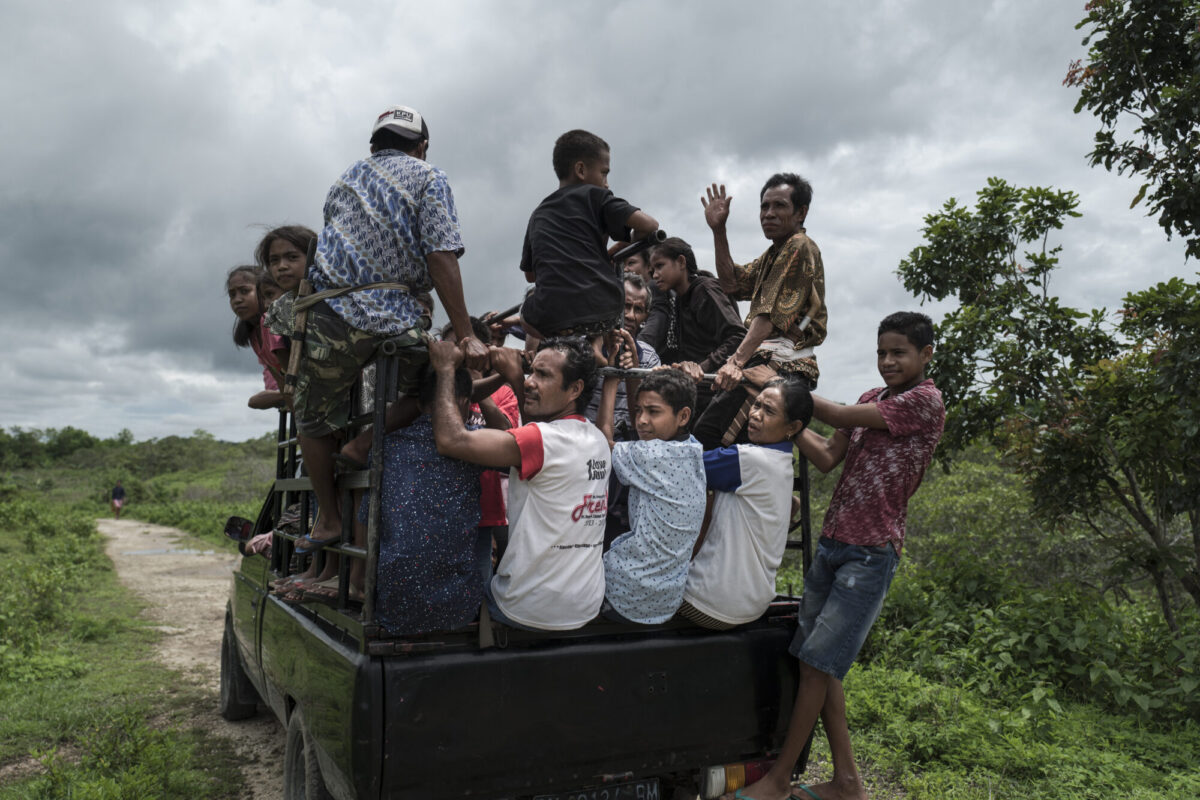
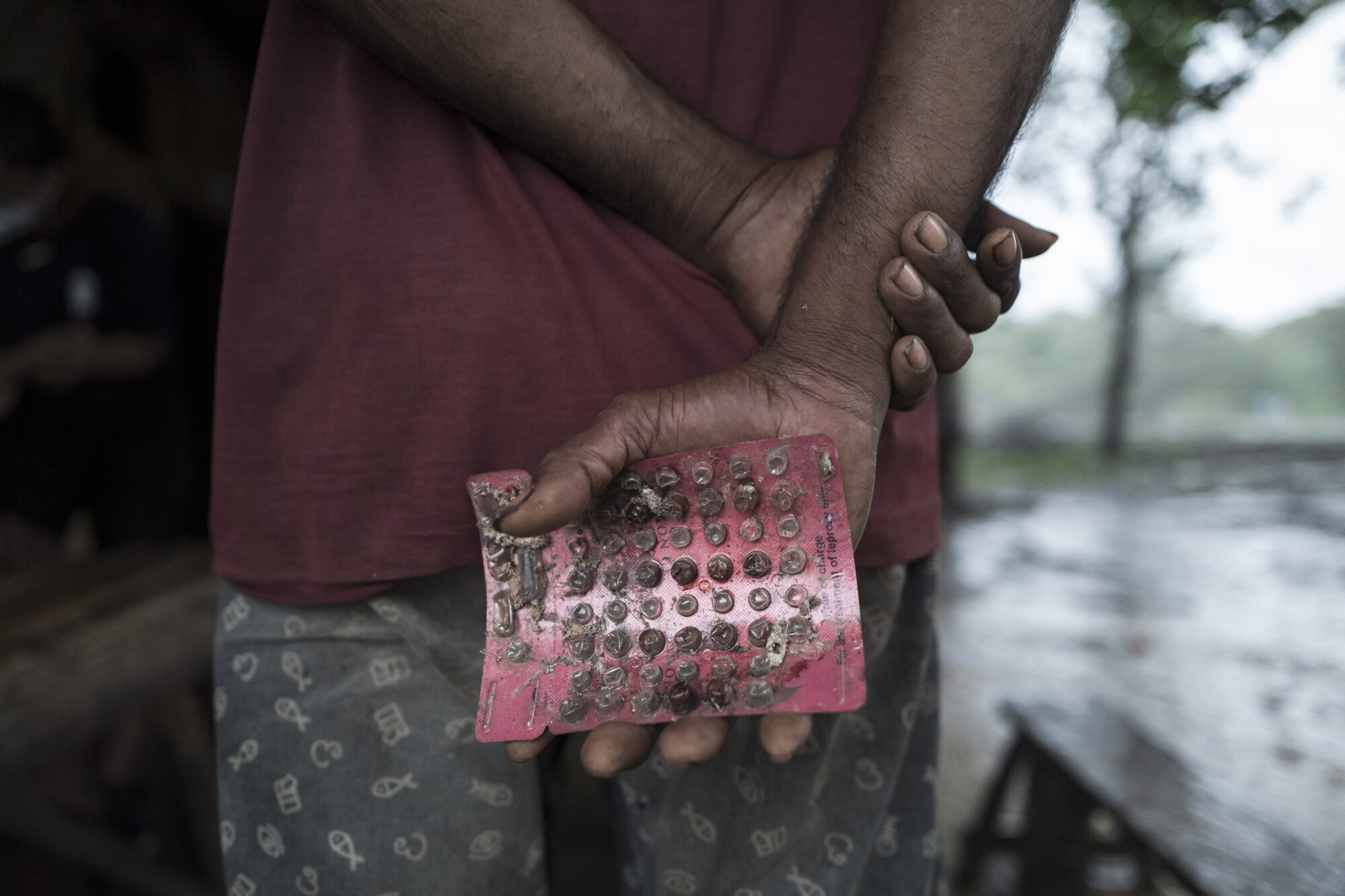
© Yoppy Pieter, Sumba Foundation and OUCRU ID. Visit the photo exhibition at: www.invisibleburdenofleprosy.com
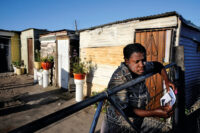
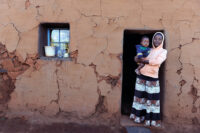
Rada’s husband holds an empty blister of multi-drug therapy. Rada stopped taking treatment because she did not notice any improvement in her condition.
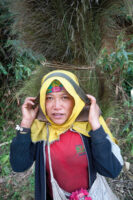
Biri, along with other members of the church, gets a ride to the rice fields that belongs to one of the church members. A collective effort during the planting season illustrating the strength of this community.
Photo exhibition on leprosy
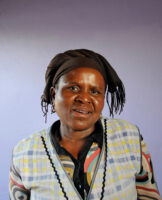
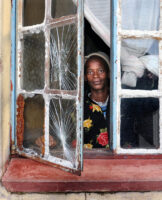
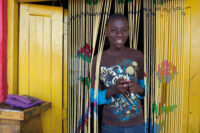
Read more about leprosy in Indonesia and visit our online photo exhibition ‘Letter from the Hills: The Invisible Burden of Leprosy in Sumba’ by Yoppy Pieter, an award-winning Indonesian photographer, Sumba Foundation and OUCRU ID at www.invisibleburdenofleprosy.com. This work documents the lives of seven people affected by leprosy from Sumba, revealing their daily challenges and dreams. The project was part of a public engagement campaign to raise awareness and highlight the burden of skin diseases in eastern Indonesia.
Funding support: This KAP study was financially supported by the Otto Kranendonk Fonds of the Netherlands Society for Global Health (formerly NVTG); and was part of the MetLep Trial (NCT05243654), which is funded by the Leprosy Research Initiative and Turing Foundation.
References
- Pieter Y, Grijsen ML. Picturing health: the burden of leprosy in eastern Indonesia. Lancet. 2022;399(10335):1588-1599.
- Mitra AK, Mawson AR. Neglected Tropical Diseases: Epidemiology and Global Burden. Trop Med Infect Dis. 2017;2(3).
- Siregar GO, Harianja M, Rinonce HT, et al. Chromoblastomycosis: a case series from Sumba, eastern Indonesia. Clin Exp Dermatol. 2025;50(7):1447-1450.
- Ayuni L, Harianja M, Ataupah MR, et al. Teledermatology Exposes a Neglected Endemic: The Hidden Burden of Tinea Imbricata in Eastern Indonesia. Int J Dermatol. 2025.
- Siregar GO, Harianja M, Adella J, et al. Leprosy identified in Sumba Island, eastern Indonesia: elimination targets under threat. Lancet Reg Health Southeast Asia. 2024;26:100409.
- Adella FJ, Ammah H, Siregar GO, et al. Teledermatology to improve access to and quality of skin care in eastern Indonesia. Accepted in Am J Trop Med Hyg. 2023.
- Grijsen ML, Nguyen TH, Pinheiro RO, et al. Leprosy. Nature Reviews Disease Primers. 2024;10(1):90.
- Global leprosy (Hansen disease) update, 2024: Beyond zero cases – what elimination of leprosy really means. Weekly Epidemiological Record. 2025;37(100):365-384.
- Somar P, Waltz MM, van Brakel WH. The impact of leprosy on the mental wellbeing of leprosy-affected persons and their family members – a systematic review. Glob Ment Health (Camb). 2020;7:e15.
- Van’t Noordende AT, Lisam S, Ruthindartri P, et al. Leprosy perceptions and knowledge in endemic districts in India and Indonesia: Differences and commonalities. PLoS Negl Trop Dis. 2021;15(1):e0009031.
- Krismawati H, Muchtar SV, Rahardjani M, et al. Metformin as adjunctive therapy in combination with multidrug treatment for multibacillary leprosy: A protocol for a randomized double-blind, controlled Phase 2 trial in Indonesia (MetLep Trial). Wellcome Open Res. 2023;8:289.
- Limato R, Sutrisni IA, Sagara R, et al. Exploring leprosy perceptions in South Sulawesi, Indonesia: A mixed-methods study on knowledge, attitudes, practices, and stigma. PLOS Glob Public Health. 2025;5(12):e0005675.